
The benefits of exercise for your physical and mental health
Regular exercise can also reduce the symptoms of anxiety and depression, as well as enhance brain health and improve overall well-being. Lesser known is whether individuals with higher levels of physical fitness experience fewer anxiety symptoms and stressful emotions. People who believe they’ll be able to accomplish what they’re trying to do report more enjoyment from a workout than those who feel defeated at the start, Oselinsky said. Having support from the people around you also improves the experience, and new exercisers tend to develop more positive feelings as they get better at the activity, she said.
Care That Puts You First
“People find a fun or interesting activity that will add value to their life and that they can commit to practicing regularly,” Keyashian said. Brains differ in how sensitive they are to rewards, so some people are primed to get more or less enjoyment out of exercise – though, obviously, factors such as past experiences with exercise matter, she said. Even if a person is far from meeting the recommended weekly activity levels, those first small steps are important and worthwhile. Regular exercise also helps prevent falls and fractures related to muscle weakness and lack of balance, which is particularly important for people with osteoporosis. Weight-bearing exercises, such as walking and dancing, and resistance exercises are particularly good for bone health. Real benefits to bone density begin with only about 90 minutes of exercise a week.
Tailored treatment approach shows promise for reducing suicide and self-harm risk in teens and young adults
Any form of physical activity outside of the normal daily routine can be seen as exercise. A brisk walk, a jog at the gym, or playing a game outside with friends could also be seen as physical exercise. After analyzing the results, researchers concluded that three to five 45-minute exercise sessions a week delivered optimal mental health benefits. Sometimes, it may feel as though your mental health is keeping you from being able to be physically active.
Lower risk of type 2 diabetes or diabetes complications
If you are unable to regularly engage in exercise or athletics, you can also try other tools to help boost your mood. Studies on meditation and massage therapy have shown that these techniques can boost endorphin secretion, increase relaxation, and aid in boosting mood. Research shows that exercise can help you madmuscles reviews fall asleep faster and improve the quality of your sleep. Areas of the brain that regulate the stress response, including the amygdala and prefrontal cortex, are rich in receptors for endocannabinoids. When endocannabinoid molecules lock into these receptors, they reduce anxiety and induce a state of contentment. Endocannabinoids also increase dopamine in the brain’s reward system, which further fuels feelings of optimism.
- But many people don’t know about the other important benefits of exercise—how it can help us find happiness, hope, connection, and courage.
- In addition, exercising outdoors can also give you a boost of happiness.
- As a psychiatrist who treats many patients with co-existing physical and mental health issues, I recommend regular exercise as part of a multi-faceted approach to treating depression and anxiety.
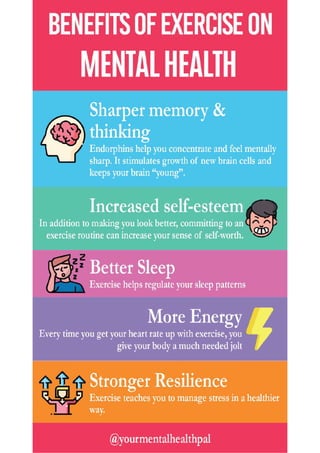
- Above preventing dementia, exercise will improve your concentration levels and ability to learn, which is necessary for people of all ages, especially children and young adults.
- Additionally, the physical fatigue resulting from exercise can promote deeper and more restorative sleep.
- Lastly, you will also be improving your positive self-image and self-talk, all the while increasing the perception of your self-worth.
Exercise and depression
Your medical history, current medications, and diagnosed conditions can all play a role in your ability to exercise. Is a clinical psychologist specializing in women’s mental health, motherhood, grief/loss, selfesteem and personal growth. And 8 Keys to Mental Health Through Exercise , and host of the weekly series “Motherhood” on WebTalkRadio.net. Some healthcare professionals listed on our website have medical privileges to practice at Children’s Hospital Colorado, but they are community providers.
Care options
Any amount of exercise, even if it falls below the suggested amount, is likely to produce benefits. Improving your physical fitness through exercise can help you improve your self-esteem by making you feel better about your body and feel stronger and more confident. Clearly, we were born to move, and the effects of exercise on our psychological and social well-being are many. So, why not start the new year right and add more movement to your life?
Regular physical activity can boost mood
Serotonin actually promotes and produces pleasure and happiness within our bodies. In fact, low levels of serotonin have been found in those with chronic depression. Serotonin affects our moods, emotions, sleep, and appetites, making it hugely important when it comes to our overall health. Dopamine helps to regulate motivation, memory, reward, and attention, which is why it is closely linked to exercise and the mental health benefits it brings. When all of these chemicals are released during a workout, we experience almost immediate mood improvements, decreased stress levels, and a more positive outlook. Mental health is a vast and inclusive topic that has a lot of different factors to consider.
Exercise and obsessive-compulsive disorder (OCD)
You may cause stress and damage to your joints and muscles if you continue exercising through pain. We were born with brains able to craft a sense of connection to others that is as visceral as the feedback coming from our own heart, lungs, and muscles. We humans can go about most of our lives, sensing and feeling ourselves as separate, but through one small action—coming together in movement—we dissolve the boundaries that divide us. When we are faced with adversity or doubting our own strength, it can help to feel these actions in our bodies. Sometimes we need to climb an actual hill, pull ourselves up, or work together to shoulder a heavy load to know that these traits are a part of us.
Helps with sleep
A new study suggests moderate exercise is not just good for your body but improves mental health as well. Researchers concluded this after analyzing the responses of 1.2 million adults who participated in a Centers for Disease Control and Prevention (CDC) survey. Participating in group activities can also introduce you to new people and perspectives, broadening your social network. This sense of belonging can be particularly beneficial for people who may feel disconnected or isolated. The camaraderie and support found in a group setting can motivate you to stay committed to your exercise routine and continue prioritizing your mental health. Working out with friends or joining group classes can make exercise more enjoyable and provide a sense of community.
We are unable to switch you to this area of care
These neurobiological alterations may help people improve their thinking, regulate their emotions, and handle stress, all of which are essential for managing depression [4,5]. Regular exercise is implicated in several psychological aspects of depression. Additionally, engaging in physical activities frequently entails social support and connection, which promotes a sense of belonging and decreases the feelings of isolation prevalent in depression. Declines in activity levels and interest in enjoyable activities are frequent symptoms of depression.
Learn about Active People, Healthy NationSM, CDC’s national initiative to help people be more physically active. Combined with treatment, the addition of exercise can help manage obsessive-compulsive disorder (OCD). A qualified mental health professional can make suggestions about the best strategies for treating your specific condition.
